
The 2026 search for the best Prefabricated Eps Dome House suppliers reflects a wider shift toward factory-made construction. Grand View Research estimates that the global modular construction market could reach approximately USD 138 billion by 2030. Its forecast assumes steady annual growth through the decade. However, modular construction figures rarely isolate EPS dome homes. Buyers should avoid treating broad market data as product proof.
Expanded polystyrene remains attractive because it is lightweight, moldable, and thermally efficient when properly protected. Fortune Business Insights valued the global expanded polystyrene market at about USD 13.3 billion in 2023. The report projects continued growth through 2032. Energy performance still depends on insulation thickness, windows, ventilation, local weather, and installation quality. The foam alone cannot guarantee low energy bills.
David South, founder of the Monolithic Dome Institute, has described the dome as “the strongest shape in nature.” His experience supports the structural appeal of curved shells, although every supplier uses different systems and materials. The best manufacturers should provide tested assemblies, fire documentation, engineering calculations, drainage details, and transparent warranty terms. Check the small details. Door seals matter. So do roof penetrations. A beautiful factory shell can still fail through poor site preparation or weak installation supervision. This guide compares 2026 suppliers through evidence, manufacturing experience, climate suitability, delivery capacity, and after-sales support. Some rankings remain imperfect because independent, dome-specific datasets are limited. That limitation deserves attention.
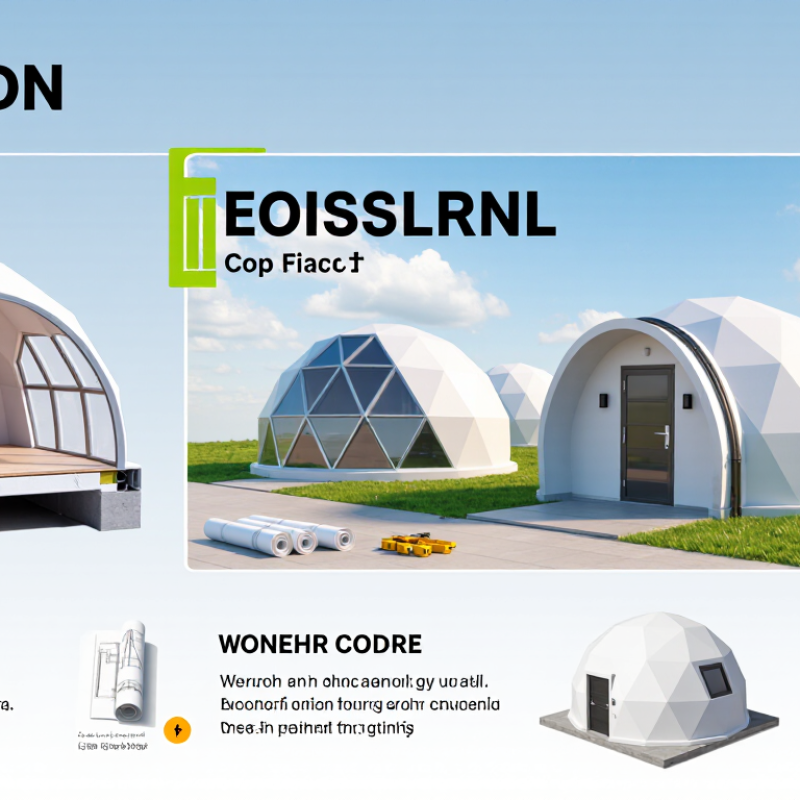
A prefabricated EPS dome house is a rounded building assembled from factory-made expanded polystyrene components. EPS forms the insulated core, while reinforced concrete, protective coatings, or structural panels create the exterior shell. The exact system varies, so buyers should request engineering drawings instead of trusting attractive images.
These homes usually arrive as labeled sections, panels, or formwork. Workers connect the pieces on a prepared foundation, seal the joints, and install doors, windows, wiring, plumbing, and ventilation. The curved shape can reduce exposed surface area and help manage wind loads. Thick EPS also supports stable indoor temperatures, especially when the shell is installed without gaps. It feels surprisingly quiet inside during heavy rain.
A reliable supplier should provide tested fire performance, moisture resistance, thermal values, and local structural calculations. EPS is not a finished living surface; it needs suitable protection from fire, sunlight, impact, and water. Poor drainage or careless sealing can create expensive problems later. I would inspect sample joints and ask who handles repairs after installation. Dome living is efficient, but furniture placement and vertical wall space can be awkward. That limitation is easy to overlook in a showroom.
A prefabricated EPS dome house uses expanded polystyrene (EPS) panels or forms that are shaped and assembled before being reinforced with concrete, shotcrete, or another structural finish. EPS has low thermal conductivity, helping reduce heat transfer through the building envelope. Lower conductivity values indicate better insulation performance; actual performance varies with density, thickness, moisture, joints, and the final wall system.
The best prefabricated EPS dome house suppliers in 2026 should explain materials, not only display attractive renders. An EPS core provides lightweight insulation and helps reduce heat transfer. It needs a reinforced concrete shell, protective mesh, and a weather-resistant exterior coating. These layers work together. Without proper reinforcement, the dome may resist insulation loss but remain vulnerable to impact, moisture, or poor connections.
Check the construction drawings carefully. Ask how panels are joined, how electrical conduits are installed, and how doors and windows receive structural support. Fire performance also deserves written documentation, because EPS requires suitable protective layers.
A reliable supplier should provide material specifications, load calculations, installation guidance, and quality-control records. Do not accept vague promises. Local climate matters too; strong winds, heavy rain, and coastal air can change the required coating and foundation design.
Tips: Request a sample wall section before signing. Inspect the EPS density, mesh placement, concrete thickness, and coating adhesion. Confirm that replacement parts are available locally.
A common mistake is focusing on factory speed while overlooking drainage around the foundation. I would also budget for professional site supervision. Prefabrication reduces waste, but it does not remove construction risks. No system is perfect. Even a well-designed dome can develop leaks when flashing, ventilation, or surface maintenance receives too little attention.
Prefabricated EPS dome houses begin with digital geometry and material testing. Engineers translate the dome’s dimensions into cutting files for expanded polystyrene panels. Factory workers then shape the panels using heated wires, producing accurate curved sections with minimal offcuts. The process is clean, but not effortless.
Manufacturers usually inspect density, panel thickness, moisture exposure, and dimensional tolerance before assembly.
According to the 2024 Global Status Report for Buildings and Construction, buildings consumed about 32% of global energy and produced roughly 34% of energy-related emissions in 2022.
This places insulation performance under serious scrutiny. EPS panels help reduce heat transfer, but performance depends on continuous joints, correct sealing, and a properly designed ventilation system.
Reinforcement follows panel fabrication. Crews install structural mesh, service conduits, and openings for doors or windows. A cement-based coating is then sprayed over the EPS shell in controlled layers.
The coating must cure evenly; rushed application can create weak spots or cracking.
Quality teams should record batch numbers, ambient temperatures, curing times, and inspection results. ASTM testing practices for insulation materials commonly evaluate thermal resistance, density, and dimensional stability, although local building codes still control final acceptance.
One practical weakness remains: factory precision cannot correct poor site foundations. A dome may leave the factory accurately made, yet settle unevenly after installation. Supplier audits, sample testing, and independent inspections therefore matter more than polished renderings.
When evaluating EPS dome house suppliers in 2026, start with evidence, not attractive renderings. A polished brochure proves little. Ask for project addresses, construction dates, climate conditions, and client contacts. Experienced suppliers should explain how EPS cores, coatings, connectors, and openings work as one system. Request technical drawings, thermal calculations, structural assumptions, and installation tolerances. The details matter. If answers remain vague, keep looking.
Check manufacturing discipline through a live factory tour or dated production video. Look for consistent panel density, clean molds, protected reinforcement, and labeled batches. Ask how the supplier tests moisture resistance, fire performance, wind loads, seismic demands, and coating adhesion. Independent laboratory reports are stronger than self-written claims. Confirm that reports match the exact product configuration. A certificate for another assembly can mislead. Also review local engineering support, permitting documents, spare components, and installer training. Small parts cause big delays.
Compare quotations line by line. Include foundations, shipping, lifting equipment, windows, ventilation, interior finishes, and commissioning. A low price may simply exclude difficult work. Speak with recent customers after one winter and one hot season. Ask about leaks, condensation, repairs, energy use, and response times. I have learned that supplier confidence appears in uncomfortable answers. No supplier is perfect. The better choice admits limitations and records corrective actions. Finally, use a written warranty with clear coverage, inspection duties, exclusions, and response deadlines. Reliability is demonstrated after delivery, not during the sales call.
Applications, Costs, and Purchasing Considerations
Prefabricated EPS dome houses suit holiday cabins, emergency shelters, garden studios, and compact family homes. Their curved shells can reduce wind exposure and provide efficient interior volume. EPS cores also support thermal insulation, especially when joints are sealed correctly. However, performance depends on the complete wall system, not foam alone. Reinforced coatings, ventilation, waterproofing, and foundation quality matter greatly.
In 2026, purchase prices may range from about 25,000 to 120,000 USD for the structure and basic installation. This is only a planning figure. Shipping distance, site access, local labor, glazing, plumbing, electrical work, and interior finishes can change the final cost sharply. A remote hillside may require cranes, drainage work, and stronger foundations. These details are easy to underestimate.
Ask suppliers for itemized quotations, structural calculations, fire-performance data, moisture protection details, and installation procedures. Confirm whether the price includes doors, windows, insulation layers, transport, permits, and utility connections. Request references for similar climates and inspect completed projects when possible. Check the warranty carefully; some warranties exclude surface cracking, water damage, or owner-installed systems. The cheapest proposal may not be the most economical choice. A modest design can still hide expensive site work. Allow a realistic contingency budget, because early estimates are rarely perfect.
