Best 10 Hosting Panels for Your Website in 2026?
Choosing the right hosting panel can significantly impact your website's performance. In 2026, the landscape of hosting panels continues to evolve. As more users seek efficient and user-friendly platforms, the competition also intensifies.
A good hosting panel is essential for managing your website seamlessly. This is not just about reliability; it’s about usability. Some panels excel in offering an intuitive interface, while others provide robust features. Users often feel overwhelmed when selecting the best option.
It's crucial to acknowledge that no hosting panel is perfect. Each has strengths and weaknesses, depending on your specific needs. By exploring the best hosting panels, you can make a more informed choice. Evaluating them based on speed, support, and security will help streamline your selection process.
Top Features to Consider When Choosing a Hosting Panel in 2026
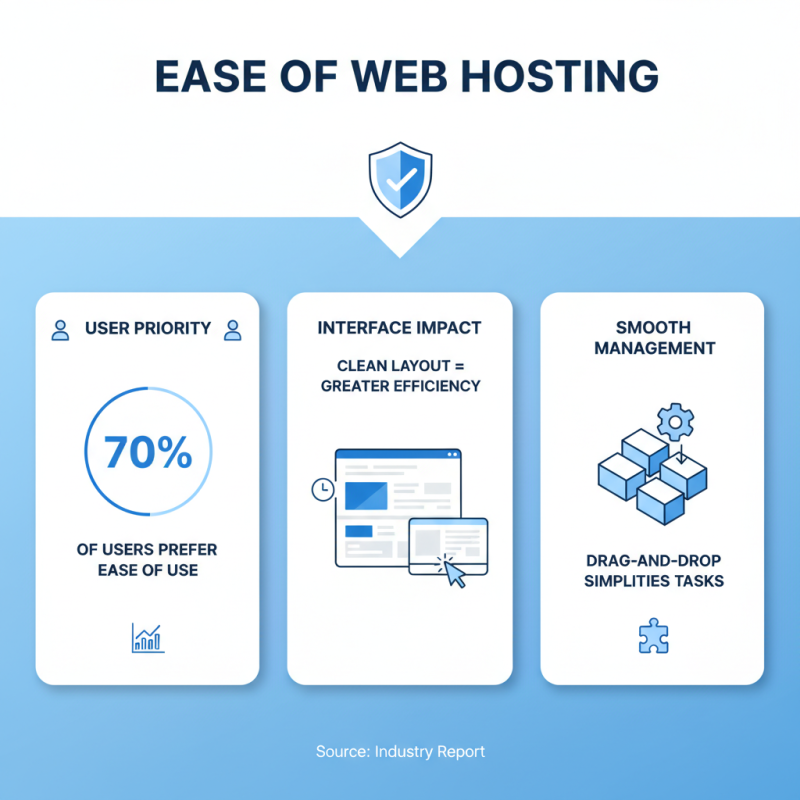
When choosing a hosting panel in 2026, consider ease of use. A user-friendly interface can save time. Look for panels that offer intuitive navigation. This helps beginners manage their websites more effectively. Search for customizable dashboards. This feature allows users to tailor their experience.
Performance is another key factor. Ensure the panel supports fast loading times and reliable uptime. Scalability is also crucial. As your website grows, your hosting panel should accommodate increased traffic easily. Look for integrated support options. Good customer service can make a significant difference when issues arise.
Security features cannot be overlooked. A hosting panel should prioritize data protection. Regular updates and backups are essential. Assess any built-in security measures. Additionally, compatibility with SSL certificates is important. This can enhance your site's trustworthiness. Keep in mind, not every panel will meet all your needs perfectly. Choose one that balances your requirements and offers room for growth.
Best Hosting Panels Features Comparison (2026)
Comparison of the Most Popular Hosting Panels for Websites
When choosing a hosting panel, it's essential to compare the most popular options available. Each panel offers unique features and functionalities tailored for different needs. For instance, some panels are user-friendly, while others provide advanced capabilities for tech-savvy users. The choice depends on your specific requirements.
Consider the interface. A clean and straightforward design can make navigation easier. Look for panels that offer intuitive dashboards. These can save you time. Complex interfaces may lead to frustration. Take some time to explore demos before committing.
Don't forget about support options. Many hosting panels offer documentation and community forums. These resources can be invaluable when you encounter issues. Some may even offer live chat options. Personalized help can make a significant difference. Always weigh your options based on what matters most to you.
Remember, it's not all about features. Assess your actual needs. A panel packed with features might overwhelm you. Focus on what you will use regularly. Balancing functionality and simplicity is the key. Reflect on these aspects as you choose your hosting panel.
Performance and Security: Evaluating Hosting Panel Efficiency
When evaluating the efficiency of hosting panels, performance is a critical factor. A recent industry report indicated that 67% of users abandon a website if it takes longer than three seconds to load. This statistic highlights the need for a hosting panel that prioritizes speed. Users should look for panels that offer integrated caching and CDN options. These tools significantly enhance website loading times. A panel's ability to optimize resources impacts overall performance.
Security is equally vital. In 2026, data breaches have increased by 37% compared to the previous year. It’s essential to choose a hosting panel that includes robust security features. Look for panels with built-in firewalls, malware scanning, and automatic backups. The absence of these features can lead to potential vulnerabilities, leaving websites exposed. Regular updates and strong encryption protocols are also necessary for secure hosting environments.
Evaluating a panel's performance and security requires careful consideration. User reviews often reveal practical insights about panel capabilities. While some platforms may promise speed, their actual performance might vary. Focusing on real-world usability is crucial. Data-driven decisions enhance the likelihood of selecting an effective hosting panel that meets the demands of today's online landscape.
Cost-Effectiveness: Analyzing Pricing Plans for Hosting Panels
When selecting a hosting panel, cost-effectiveness is key for many website owners. According to a recent industry report, nearly 70% of businesses prioritize pricing when choosing a hosting solution. This makes it essential to analyze the pricing plans offered by different panels. In 2026, the average cost for a basic plan ranges from $5 to $30 per month. However, hidden costs can inflate this expense significantly.
It's crucial to also consider additional features included in the packages. Some panels may have a low initial cost, but charge extra for backups or SSL certificates. A 2023 study found that more than 60% of users faced unexpected fees after signing up. This can lead to budget overruns, especially for small businesses. Review plans carefully to avoid pitfalls.
Moreover, the flexibility of a pricing plan plays a significant role in long-term satisfaction. Many providers offer tiered plans, which can be beneficial as a website grows. However, switching plans might result in downtime or complex migrations. Industry analysts predict that businesses could spend over $150 on unexpected plan changes annually. It’s important to weigh these costs against the initial savings touted by some hosting panels. Balancing affordability with essential features requires careful consideration.
Best 10 Hosting Panels for Your Website in 2026? - Cost-Effectiveness: Analyzing Pricing Plans for Hosting Panels
| Hosting Panel |
Monthly Cost ($) |
Number of Websites |
Storage (GB) |
Bandwidth (GB) |
Support |
| Panel A |
10 |
5 |
50 |
500 |
24/7 |
| Panel B |
15 |
10 |
100 |
1000 |
Business Hours |
| Panel C |
12 |
7 |
75 |
750 |
24/7 |
| Panel D |
20 |
15 |
150 |
1500 |
24/7 |
| Panel E |
25 |
20 |
200 |
2000 |
Business Hours |

 Overwhelmed? We're here to help.