How to Choose the Best Virtual Private Server for Your Business?
Choosing the right virtual private server (VPS) for your business is crucial. The digital landscape is constantly evolving. As technology advances, your demands grow. An expert in the field, Dan Morris, once stated, "A well-chosen virtual private server can transform your business operations." This highlights the importance of making an informed choice.
When selecting a virtual private server, several factors come into play. You must assess your business needs. Consider scalability, performance, and security. VPS options vary widely. Some serve basic needs, while others cater to complex requirements. It’s essential to evaluate what you truly need.
Additionally, the cost can be a reflection of quality. A cheap VPS may seem appealing but could compromise your security. Reliability is key. Look for providers with good uptime guarantees. While some choices may appear straightforward, take time to reflect on your options. Careful planning can lead to successful outcomes for your business.

Understanding the Basics of Virtual Private Servers (VPS)
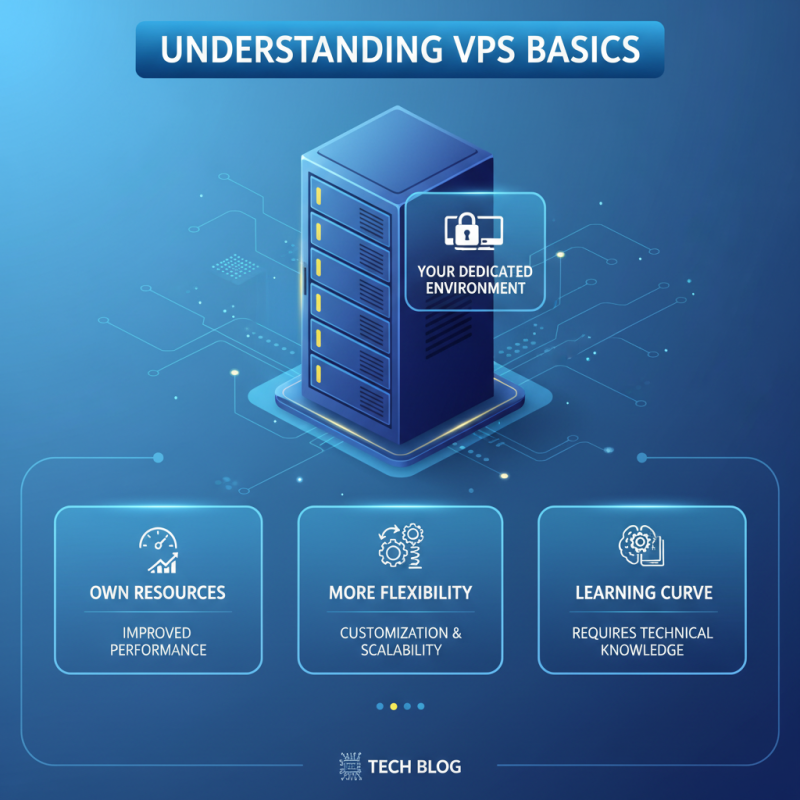
Understanding the basics of Virtual Private Servers (VPS) is crucial for any business looking to enhance its online presence. A VPS provides a dedicated environment within a physical server. This means you have your own resources, which can lead to improved performance. It's important to recognize that VPS can be more flexible than shared hosting. However, it may come with a steeper learning curve.
When choosing a VPS, consider what applications you will run. Will you handle high traffic? Ensure the VPS can scale with your business growth. Look for options that offer customizable resources. Not all VPS solutions are equal. Some may promise a lot but deliver poorly when it matters. It’s essential to read user reviews and seek specific examples of performance.
Security is another key aspect. A VPS can offer isolation from other users, reducing risks. However, you still need to monitor and manage security settings. Neglecting this can lead to vulnerabilities. Reflect on how you will handle backups and data restoration as well. Reliable service providers often include these features, but they also require proactive management. Remember to weigh all these elements critically as you make your decision.
Identifying Your Business Needs for a VPS Solution
Choosing the right Virtual Private Server (VPS) requires understanding your business needs. Recent surveys indicate that 61% of companies prioritize server reliability over other factors. This is vital for minimizing downtime and ensuring optimal performance. Consider the nature of your business. E-commerce sites often require high bandwidth, while startups might need scalability options as they grow.
Next, assess your technical capabilities. Many businesses struggle with server management. An overwhelming 55% of SMEs report lacking IT expertise. If your team is small, consider a managed VPS for added support. A clear understanding of your resource requirements, such as CPU, RAM, and storage, is essential. According to industry reports, businesses that correctly match their VPS resources reduce operational costs by up to 20%.
Finally, think about your budget and future growth. Adjusting your resources can be tricky if you don’t choose wisely. Over 40% of businesses regret not forecasting their needs better. It’s crucial to identify potential peaks in traffic and evaluate the scalability options offered by VPS providers. Balancing cost and performance is key to a successful VPS strategy.
Evaluating Key Features of Different VPS Providers
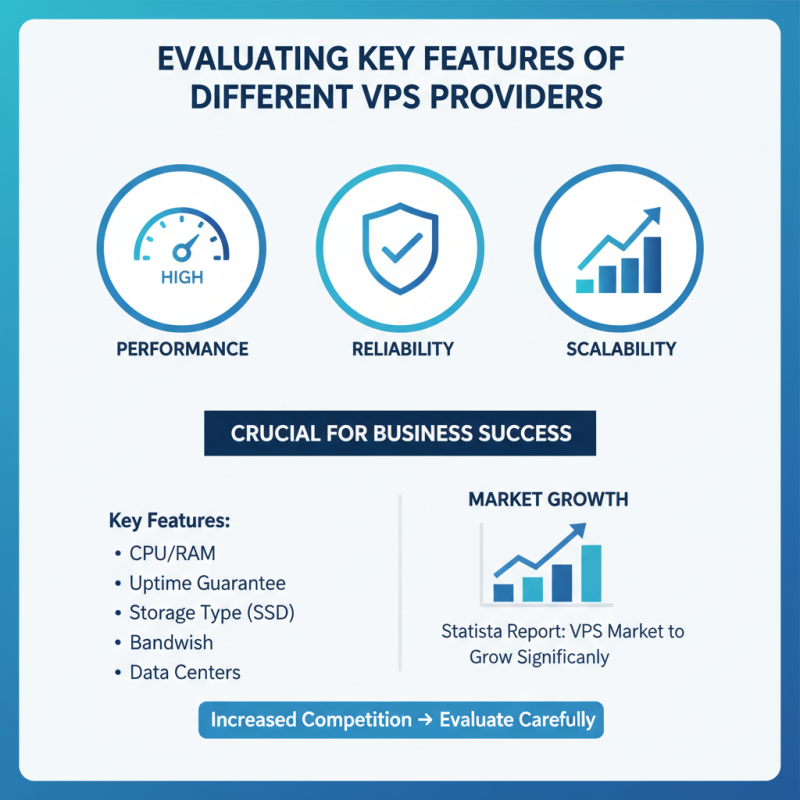
Choosing the right Virtual Private Server (VPS) is crucial for business success. Key features to consider include performance, reliability, and scalability. According to a report by market research firm Statista, the VPS market is expected to grow significantly, indicating increased competition among providers. Businesses must evaluate these offerings carefully.
One important feature is uptime reliability. Most providers promise 99.9% uptime, but only a few consistently meet this standard. Research shows that downtime can cost businesses up to $500,000 annually. Therefore, reviewing real user feedback on uptime is essential.
Security is another key area. Businesses should look for VPS providers that offer robust security measures, such as DDoS protection and regular backups. A report from Cybersecurity Ventures projects that cybercrime costs will reach $10.5 trillion annually by 2025. This highlights the need for strong security protocols.
Tip: Check if the provider offers managed services. This can save time and ensure that your server is optimized for performance. Many businesses underestimate the benefits of expert assistance in maintaining their VPS.
Remember to assess scalability options. A study from Gartner indicates that flexible solutions boost overall productivity. Failure to anticipate future needs could lead to costly migrations later. Taking these factors into account will help businesses choose the best VPS for their specific requirements.
Comparing Pricing Models and Budget Considerations
When selecting a Virtual Private Server (VPS), understanding pricing models is key for businesses. According to a report by HostingAdvice, around 37% of small businesses prioritize cost when choosing a VPS provider. Prices for VPS can vary greatly, generally ranging from $20 to over $100 per month, depending on the resources allocated, such as CPU, RAM, and storage.
Many providers offer tiered pricing structures. For example, entry-level plans often provide basic capabilities and limited bandwidth. In contrast, premium plans usually include additional features like managed services or enhanced security. However, a significant 55% of businesses reported feeling overwhelmed by these options. It's crucial to weigh not only the initial costs but also long-term expenses, such as upgrade fees or potential overages.
A common pitfall is underestimating resource needs. Once overlooked, misjudging your server's required storage or processing power can lead to costly upgrades. According to a 2022 study by TechRadar, nearly 30% of companies experienced unanticipated costs due to inadequate planning. Balancing budgetary constraints and operational needs is challenging yet vital for choosing the best VPS solution.
Assessing Customer Support and Reliability of VPS Services
When selecting a Virtual Private Server (VPS), customer support and reliability are vital. The quality of support can significantly impact your experience. A responsive support team can swiftly address technical issues. It minimizes downtime and enhances your business's reliability. Look for providers that offer 24/7 support through various channels, such as live chat or phone.
Additionally, reliability in VPS services is essential. This means stable uptime and consistent performance. Research the provider’s track record for downtime incidents. You might want to check reviews from other users. Negative reviews often highlight patterns in performance or support issues.
Sometimes, even established providers may fall short. They may promise high uptime but deliver less than expected. It’s crucial to assess these discrepancies before committing. A good VPS provider should offer clear service level agreements. These documents outline uptime guarantees and remedies for service failures. Always weigh these factors when making your choice.
How to Choose the Best Virtual Private Server for Your Business? - Assessing Customer Support and Reliability of VPS Services
| Provider |
Uptime Guarantee |
Support Channels |
Response Time |
User Ratings |
| Provider A |
99.9% |
Live Chat, Email, Phone |
15 mins |
4.7/5 |
| Provider B |
99.7% |
Email, Phone |
30 mins |
4.5/5 |
| Provider C |
99.8% |
Live Chat, Ticketing System |
10 mins |
4.8/5 |
| Provider D |
99.5% |
Email, Forum |
1 hour |
4.2/5 |

 Overwhelmed? We're here to help.