How to Choose the Best Virtual Private Server Hosting for Your Needs?
Choosing the right virtual private server hosting can significantly impact your website's performance. With numerous providers and plans available, making the right choice is essential. Each business has unique needs. Therefore, understanding your requirements is the first step.
Virtual private server hosting offers many benefits, including enhanced security and flexible resources. However, selecting a provider can overwhelm. Are you looking for speed, reliability, or affordability? These factors can influence your decision. It's easy to overlook important details, like customer support and uptime guarantees.
Take the time to evaluate each option carefully. A poorly chosen hosting plan can lead to downtime and lost revenue. Consider trialing services to gauge their effectiveness. Reflection on your current hosting experience might reveal gaps. Ultimately, informed choices empower you to enhance your online presence and achieve your goals.
Understanding Virtual Private Server (VPS) Hosting Basics
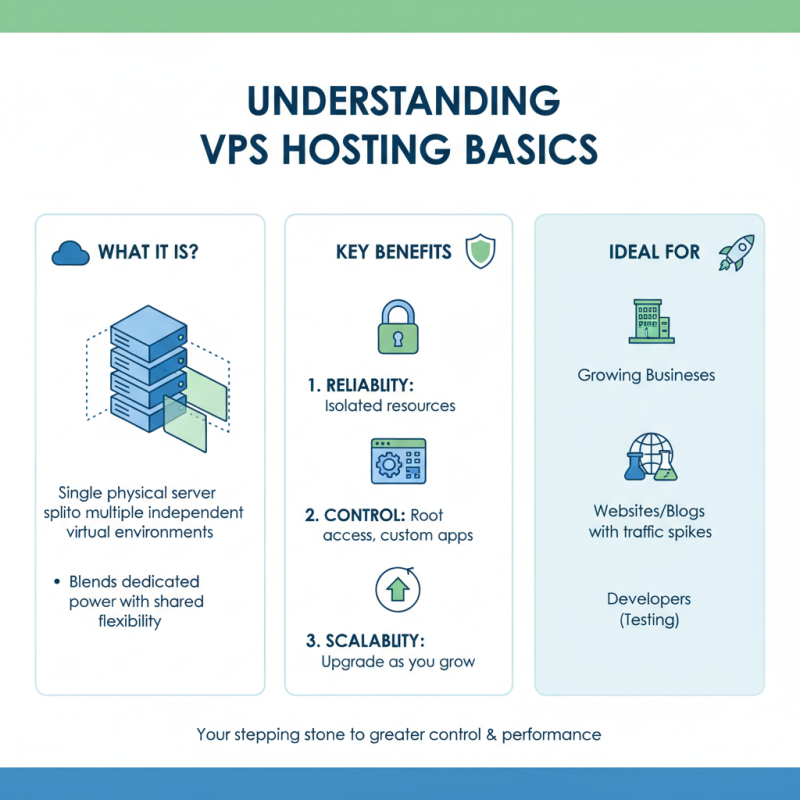
Virtual Private Server (VPS) hosting stands as a critical stepping stone for businesses seeking reliability. It combines the power of dedicated servers with the flexibility of shared hosting. This setup allows users more control over their resources and applications. VPS is not just about having a server; it's about how you utilize it.
Understanding the basics of VPS is essential for making the right choice. A VPS provides dedicated resources, which means better performance during traffic spikes. You get a specific amount of CPU, RAM, and storage, tailored to your needs. This leads to improved website loading times and user experiences. However, without proper management, these advantages can diminish. Misconfigurations can lead to slow performance or security vulnerabilities, which can be frustrating.
Another point to consider is scalability. VPS hosting enables users to upgrade their resources as their business grows. This flexibility is crucial for adapting to changing demands. But one must reflect on whether they truly need such resources. Too many businesses overestimate their requirements, leading to wasted funds. Each choice carries weight; understanding your needs deeply influences your hosting success.
Evaluating Your Hosting Needs and Requirements
When evaluating your hosting needs, start by identifying the purpose of your website. Different sites have varying demands. A basic website may not require a powerful server, while e-commerce sites need robust performance.
According to a recent report, 70% of businesses experience increased traffic during peak seasons. Hence, scalability is vital. Choose a VPS that can handle traffic spikes.
Consider your technical expertise. Many VPS providers offer managed services, but they can be more expensive. A survey indicated that 55% of users prefer managed solutions, especially beginners. However, self-managed servers offer flexibility at a lower cost. This choice can be a double-edged sword if mismanaged, leading to downtime.
Evaluate your budget and long-term goals. VPS hosting can be more affordable than dedicated servers, but costs can add up. Research shows that 65% of small businesses failed to budget for unexpected expenses related to server maintenance. It’s crucial to factor in these potential costs when selecting a plan.
Balancing performance, support, and budget is often a challenge, pushing businesses to re-evaluate their choices frequently.
Comparing VPS Hosting Providers and Their Features
When choosing a Virtual Private Server (VPS) hosting provider, it's essential to compare their features. Look for essential aspects like resource allocation, scalability, and server locations. Some VPS providers focus on flexibility, allowing you to easily adjust resources. Others may offer fixed plans that could limit growth. It’s crucial to assess your current needs and future goals.
Support options are also fundamental. Not all providers offer 24/7 support. Some may only provide tickets or email assistance. Real-time chat can make a significant difference in urgent situations. Consider the knowledge base as well. A well-maintained resource can save you time during troubleshooting.
Pricing structures vary widely. Some may seem attractive but might lack important features. Always review the fine print. Bandwidth limits and hidden fees can affect your budget. Examining these details lets you find a provider that aligns with your needs without unexpected surprises. Ultimately, you want to find a balance between cost, features, and support. It’s a critical decision that deserves thorough consideration.
Assessing Performance, Reliability, and Security of VPS Options
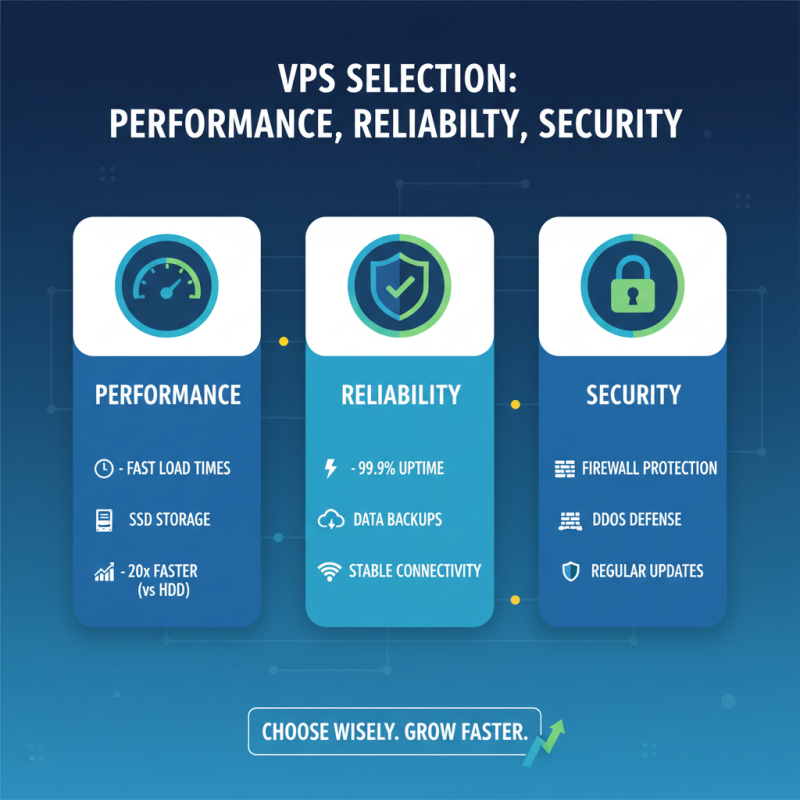
When selecting a Virtual Private Server (VPS), performance is crucial. The ideal VPS should deliver stable and fast load times. Studies show that a delay of just one second can reduce page views by 11% and customer satisfaction significantly. Look for VPS providers that offer SSD storage. Solid State Drives can enhance performance, improving speed by up to 20 times compared to traditional hard drives.
Reliability often hinges on uptime guarantees. A reliable VPS provider will boast at least 99.9% uptime. Downtime can lead to lost revenue and eroded trust. In fact, industry reports suggest that businesses can lose up to $5,600 per minute during outages. It is imperative to choose a provider with a proven track record in reliability.
Security cannot be overlooked. A VPS may expose your data if not properly managed. Reports indicate that nearly 70% of organizations experience a security breach at some point. Ensure your VPS solution includes key features like firewalls, DDoS protection, and regular backups. These elements are vital for safeguarding your assets. While no solution is perfect, these attributes will significantly enhance your hosting experience.
Analyzing Pricing Models and Budget Considerations for VPS Hosting
When considering virtual private server (VPS) hosting, analyzing pricing models is crucial. VPS plans vary widely. Prices can range from budget options to premium services. Understanding what you’ll get at each price point is important. Some providers may offer low monthly rates, but additional fees can add up quickly. Knowing your true costs can help you avoid surprises.
Tips for budgeting: Always read the fine print. Some hosts charge for extra bandwidth or support. Evaluate what resources you actually need. If your project is small, don’t overspend on high-tier plans. Think about growth; choose a plan that can scale with your needs. Also, check for seasonal promotions or discounts to save money.
Don’t overlook quality guarantees. A cheap VPS might lead to poor performance. Downtime can cost you more in lost revenue. Balance your budget with reliability. Sometimes, investing a little more upfront prevents bigger costs down the line. Ask yourself, does this plan meet my needs? Reflect on whether the features are really necessary for your operations.
Virtual Private Server Hosting Pricing Models
This chart represents the monthly costs for various types of Virtual Private Server (VPS) hosting plans. As seen, the costs increase with more advanced plans, reflecting the additional features and resources provided.

 Overwhelmed? We're here to help.