What is a Dedicated Server and How Does it Work?
Dedicated servers are a powerful option for businesses looking for reliability. They provide exclusive resources, allowing users to host applications seamlessly. Unlike shared hosting, dedicated servers ensure that all CPU, memory, and bandwidth are yours alone.
A dedicated server works by allocating a complete machine to one user. This means higher performance and greater security. With no other websites sharing your resources, you can manage your traffic more efficiently. This setup is ideal for large websites or applications requiring vast processing power.
However, managing dedicated servers can be challenging. Users must understand server administration to optimize efficiency. There are costs involved, too, which can be daunting for small businesses. Choosing a dedicated server means committing to a significant investment. This choice requires careful consideration of needs and technical capacity.
What is a Dedicated Server?
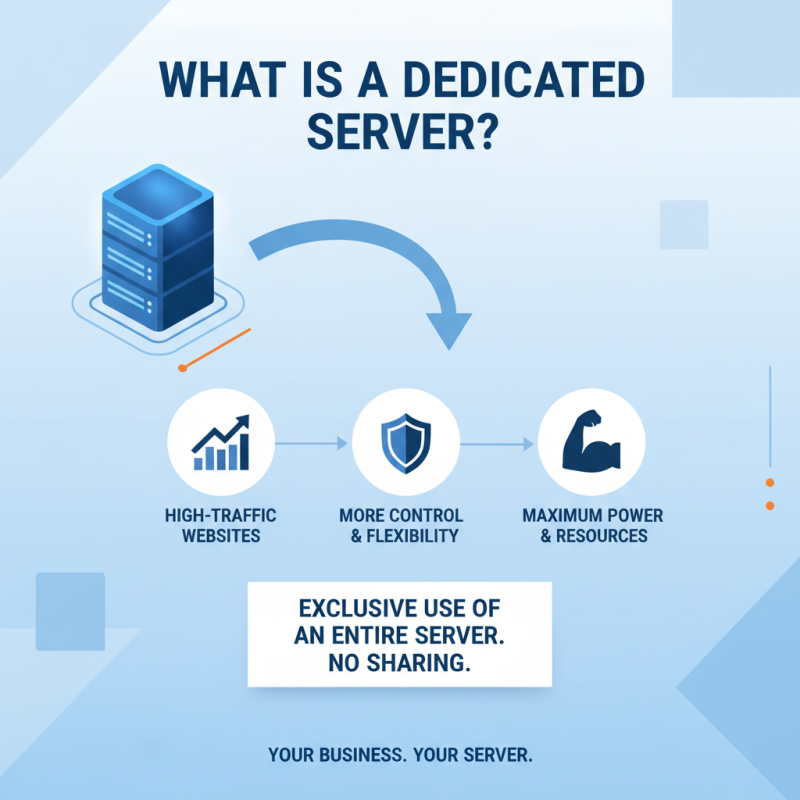
A dedicated server is a type of hosting solution. It provides exclusive use of an entire server. This means no sharing resources with other users. Such servers are ideal for businesses with high-traffic websites. They offer more control, flexibility, and power. Users can customize the server settings, as needed.
When you choose a dedicated server, setup can be complex. Users need to consider hardware specifications. They should assess processor speed, memory, and storage requirements. Each choice affects performance. Security is another crucial factor. Managing security features might require technical expertise. This can be a hurdle for some businesses.
Additionally, the cost is often higher than shared hosting. Some may find it difficult to justify the expense. It's essential to weigh the potential benefits against your specific needs. Investing time in research pays off. Companies that prioritize reliability and speed typically prefer dedicated servers.
Key Features of Dedicated Servers
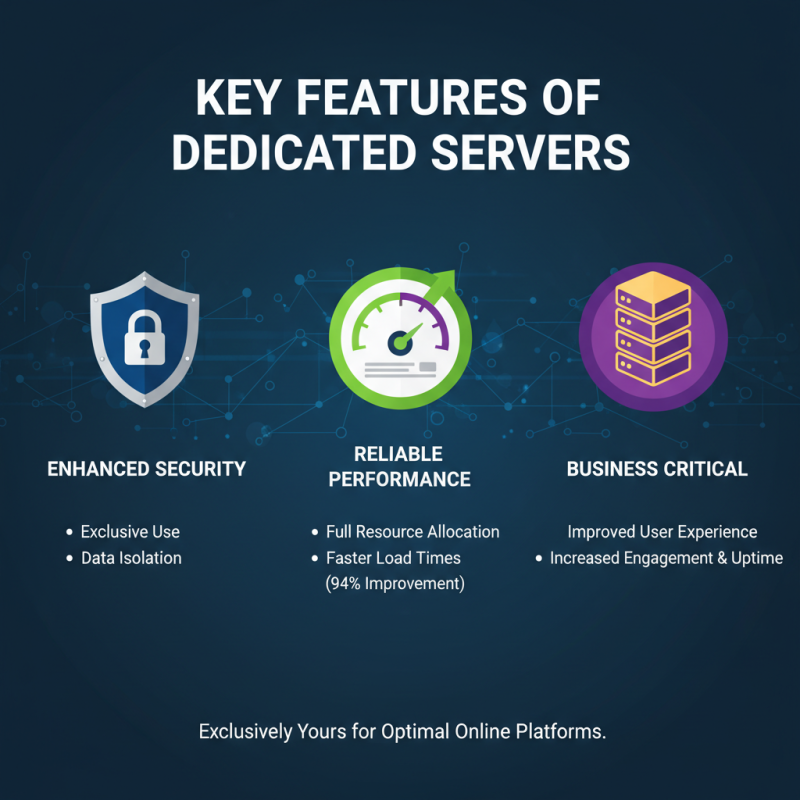
Dedicated servers are vital for many businesses that require reliable performance and enhanced security. These servers are entirely devoted to a single client. This exclusivity leads to improved resource allocation. Studies show that 94% of companies moving to a dedicated server experienced faster load times. This can significantly impact user experience and engagement, crucial for online platforms.
One key feature of dedicated servers is customizable hardware. Companies can choose their own specifications, tailoring the server to their exact needs. This flexibility can yield a 30-40% increase in performance, as resources directly match application demands. Another critical feature is enhanced security. With no other clients on the server, sensitive data is less vulnerable to attacks. Security breach costs can average around $3.86 million; thus, investing in a dedicated server can save significant amounts in the long run.
Moreover, dedicated servers offer high uptime reliability. Many providers boast uptime guarantees of 99.9%. However, this does not mean problems will not occur. Companies may face unexpected downtimes due to various factors, like hardware malfunctions. Reflecting on past experiences can guide improvements in server management. Reliability is key, but diligent monitoring and adjustments are just as essential.
How Dedicated Servers Differ from Shared Hosting
Dedicated servers and shared hosting provide different levels of service. Shared hosting allows multiple users to share resources on one server. This can lead to slower performance. If one site has high traffic, others might suffer.
In contrast, dedicated servers allocate all resources to a single user. This means better performance and security. Users have full control over the server’s settings. They can install custom software and adjust configurations. However, dedicated servers can be more costly. It's important to analyze your needs before choosing.
**Tip:** If your website is growing, consider your traffic levels. A dedicated server may be worthwhile as your needs increase.
Remember, not all sites require a dedicated server. Small blogs might be fine with shared options. Evaluate what you truly need.
**Tip:** Think about future growth when making a choice. Switching from shared to dedicated later can be challenging. Choose wisely to avoid unnecessary hassles.
Understanding the Working Mechanism of Dedicated Servers
A dedicated server is a powerful tool in the world of hosting. It consists of a single physical server entirely reserved for one client. This setup provides unmatched performance, speed, and control. The server is tailored to the client’s needs. Clients can customize the hardware and software to suit their requirements.
Understanding how a dedicated server works involves looking at its components. Each server has its CPU, memory, storage, and bandwidth. This allocation enhances security and optimizes performance. Since resources are not shared, clients experience fewer slowdowns. An interesting fact is that many large businesses rely on dedicated servers for mission-critical applications.
Tips: When selecting a dedicated server, consider your traffic patterns. Is it consistent for months, or does it fluctuate? Reflect on how much control you need. Customization is key. It can be a challenge to manage complex server configurations. If you're not tech-savvy, seek expert advice. Regular maintenance is crucial, too. Ignoring it can lead to poor performance.
Benefits of Using a Dedicated Server for Businesses
A dedicated server offers numerous benefits for businesses seeking robust performance. By providing exclusive resources, it ensures optimal speed. Reports show that companies with dedicated servers experience up to 60% faster load times compared to shared solutions. This can lead to better user experiences and increased customer retention.
Security is another crucial aspect. Dedicated servers allow businesses to implement tailored security measures. According to industry studies, firms using dedicated hosting enjoy a 70% lower risk of data breaches. This protection is vital in today’s digital landscape, where threats evolve daily.
However, not every business may need a dedicated server. Smaller companies might struggle with costs. The investment can be substantial, as maintenance and monitoring require skilled professionals. Thus, businesses must assess their needs carefully and weigh the potential benefits against the challenges. Finding the right balance is essential for success.

 Overwhelmed? We're here to help.