10 Essential Tips for Choosing a Virtual Private Server
Choosing a virtual private server (VPS) is a critical decision for businesses today. A VPS offers enhanced performance and security, ideal for running applications or hosting websites. With many options available, picking the right server is not straightforward.
Understanding your needs is crucial. Consider factors like RAM, bandwidth, and storage. A lack of attention to these details may lead to underperformance. Visualize your requirements clearly.
Moreover, evaluating the provider's reputation can be tricky. Look for customer reviews and uptime guarantees. Sometimes, providers boast about features that don’t deliver. A VPS should be reliable. Trust your instincts when something feels off.
Understanding What a Virtual Private Server Is
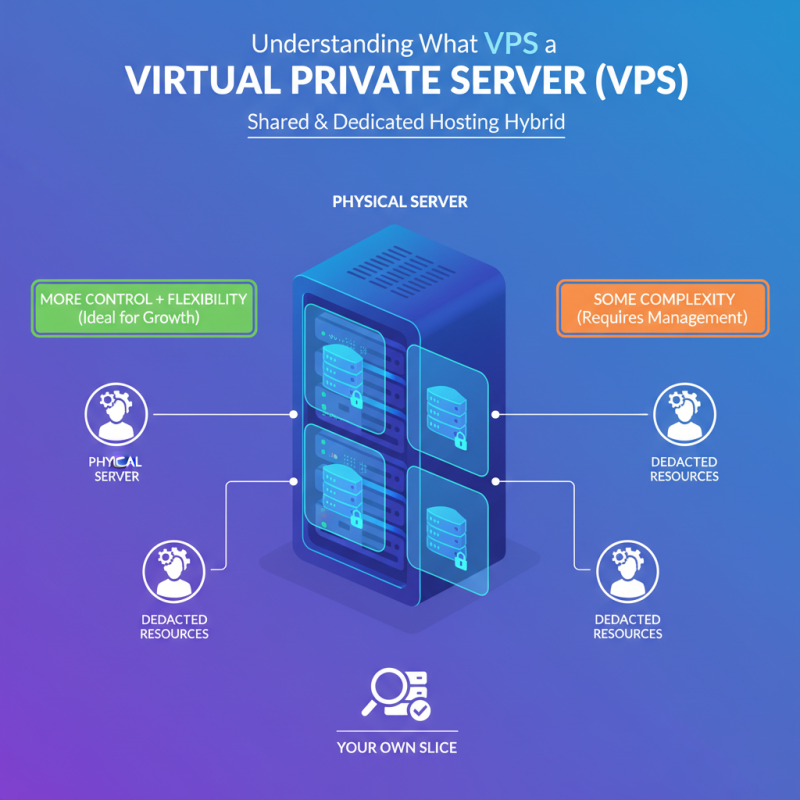
A Virtual Private Server (VPS) offers users a unique blend of shared and dedicated hosting. It operates on a physical server but divides it into multiple virtual servers. This partitioning gives each user a dedicated portion of resources. It’s ideal for those needing more control and flexibility than shared hosting. Yet, it comes with some complexities.
When choosing a VPS, understanding its structure is key. Each VPS runs its own operating system. This means you can install custom software. However, this autonomy requires technical knowledge. Users might face challenges configuring their environments. Without proper setup, performance issues might arise. Security is another concern; while VPS is safer than shared hosting, it’s not immune to attacks.
Performance can vary widely from one VPS to another. It’s crucial to evaluate your actual needs versus what’s offered. Some users might overspend on unnecessary features. Others might choose the cheapest option, only to regret it later. Balancing cost and performance is essential. Finding the right VPS involves reflection on your goals and understanding of the technology.
Key Factors to Consider for VPS Performance and Speed
When selecting a Virtual Private Server (VPS), performance and speed are crucial. Recent reports indicate that website loading time significantly impacts user retention. A mere one-second delay can reduce customer satisfaction by 16%. This statistic highlights the importance of choosing the right VPS.
It's essential to assess CPU performance. A faster CPU will handle requests more efficiently, providing smoother operations. Look for VPS providers that offer multi-core CPUs. This could enhance not just speed, but overall server response times. Check the CPU core counts and consider benchmarking results.
Memory allocation is another key factor. Insufficient RAM can lead to slower performance, especially under peak loads. Studies show that increasing RAM can boost performance by 30%. Make sure your VPS package includes enough memory to support your needs. Monitor your usage patterns. If you're frequently maxing out, it may be time to upgrade.
Lastly, consider storage types. SSDs offer better speeds compared to traditional HDDs. They can improve I/O operations, which is vital for database-driven applications. Around 70% of users report a noticeable speed increase when using SSD-based VPS options. Always match storage performance with your workload to optimize efficiency.
VPS Performance Factors
Evaluating Hosting Requirements for Your Specific Use Case
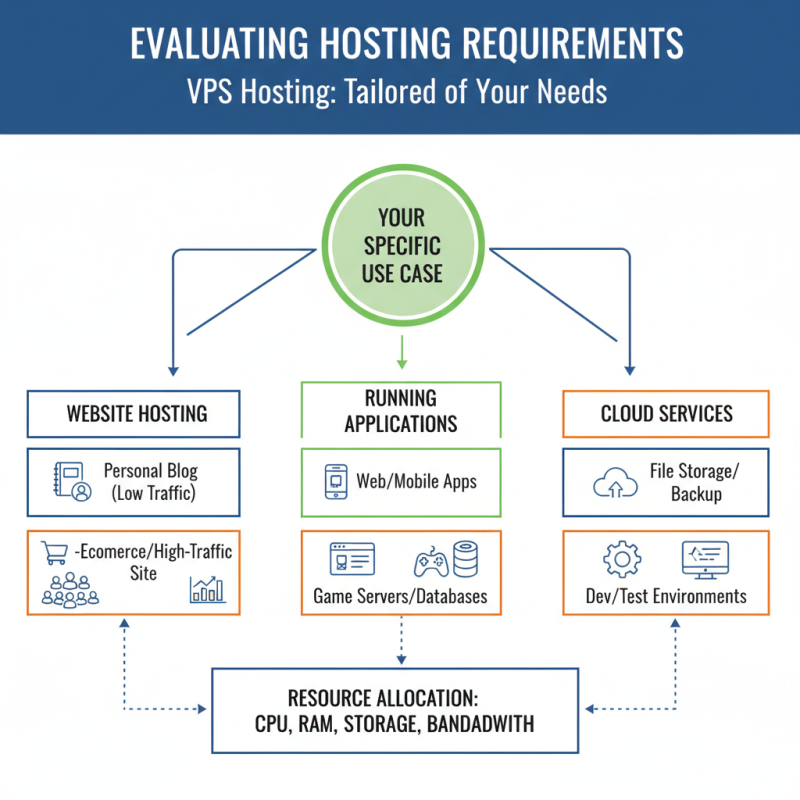
Choosing the right virtual private server (VPS) requires careful evaluation of your specific hosting needs. Start by identifying the primary purpose of your server. Are you hosting a website, running applications, or offering cloud services? Each use case has unique requirements. For instance, a site with heavy traffic demands more resources compared to a personal blog.
Next, consider your technical expertise. Managing a VPS can require good knowledge of server administration. If you’re not confident in your skills, you might need to choose a managed solution. Another aspect to reflect on is scalability. Will your hosting needs grow in the future? Opting for a provider that allows easy upgrades can save you from having to migrate to a new server later.
Also, think about the location of the server. A server closer to your target audience can reduce latency. Finally, evaluate the available support from your hosting provider. Quality support can make a significant difference during critical times. Many overlook this aspect, but having help when things go wrong is crucial.
The Importance of Security Features in VPS Selection
When selecting a Virtual Private Server (VPS), security features should be a top priority. According to a recent study, 68% of businesses reported falling victim to a cyber attack in the past year. This alarming statistic emphasizes the necessity for robust security protocols. Without proper safeguards, sensitive data could be compromised. Features such as firewalls, DDoS protection, and regular backups are essential in protecting your virtual environment.
Encryption is another critical aspect. Meta-analysis shows that data breaches can cost businesses an average of $3.86 million. Incorporating strong encryption protocols can mitigate the risk of data theft. Additionally, consider the importance of regular software updates. Neglecting updates can lead to vulnerabilities. A report by a cybersecurity firm noted that unpatched software was involved in 60% of breaches.
Don't overlook the need for a solid management plan. Understanding your server’s vulnerabilities is crucial. Many companies fail to assess their actual security needs. This oversight can lead to disaster. Ask tough questions about the security measures offered by your provider. A proactive approach can make all the difference.
Comparing Pricing Models and Support Options for VPS Providers
When choosing a Virtual Private Server (VPS), pricing models play a crucial role. Many providers offer different plans, often based on resource allocation. Some charge monthly, while others provide yearly options. Understanding these pricing structures is essential for effective budgeting. Pay attention to hidden fees that may arise. It's easy to overlook initial costs, yet they can add up.
Support options are equally important. A quick response time can save you from prolonged disruptions. Look for providers with 24/7 support. Not all providers offer the same quality of assistance. Read reviews to gauge past customer experiences. Many users emphasize the importance of helpful support agents. A friendly, knowledgeable team makes a big difference when issues arise.
Lastly, consider the trial periods offered by some VPS providers. They allow you to test the services before fully committing. This can reveal strengths and weaknesses that may not be apparent otherwise. Take your time to assess performance and reliability. Being rushed may lead to regrettable choices later. Explore and compare different options before making a decision.
10 Essential Tips for Choosing a Virtual Private Server
| Criteria |
Option 1 |
Option 2 |
Option 3 |
| Monthly Price |
$5.99 |
$10.99 |
$15.99 |
| Storage |
20 GB |
50 GB |
100 GB |
| RAM |
1 GB |
2 GB |
4 GB |
| CPU Cores |
1 Core |
2 Cores |
4 Cores |
| Support Options |
Email, Chat |
24/7 Phone, Email |
Email, Chat, Ticketing |
| Uptime Guarantee |
99.5% |
99.9% |
99.99% |
| Free Backups |
No |
Yes |
Yes |
| Control Panel |
Basic Dashboard |
cPanel |
Custom Panel |
| Operating System |
Linux |
Linux/Windows |
Linux |

 Overwhelmed? We're here to help.