Top Tips for Choosing the Best Server for Website Hosting?
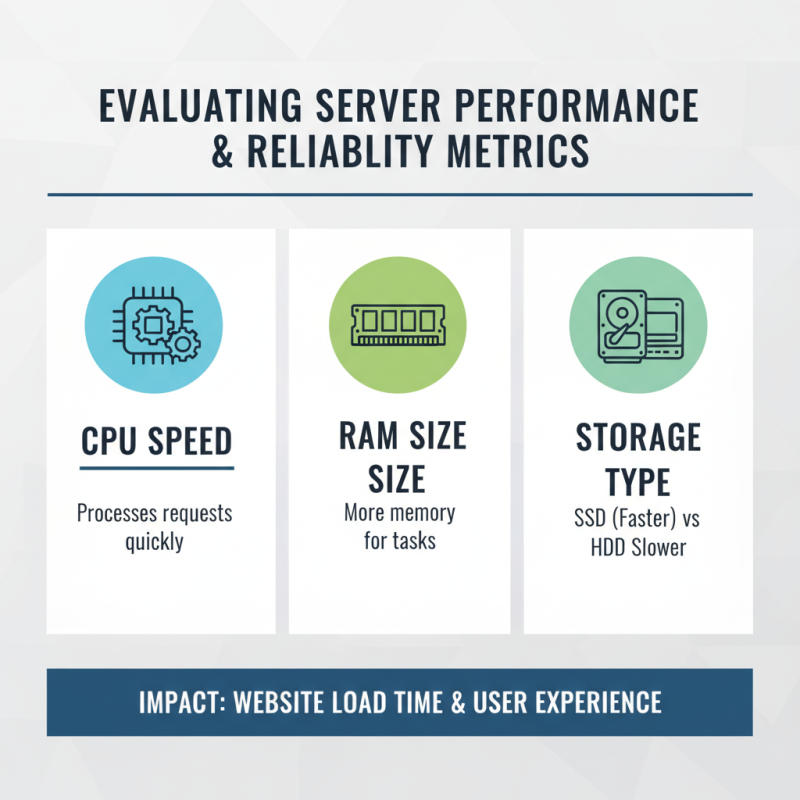
Choosing the right server for website hosting can significantly affect your website’s performance. A good server ensures your site runs smoothly and efficiently. It also impacts user experience and search engine rankings. Therefore, understanding what to look for is crucial.
Many factors come into play. These include server type, performance, scalability, and cost. Each decision carries weight for your long-term online success. For instance, shared hosting may be cheap, but it can slow down your site. On the flip side, dedicated servers offer speed and reliability but at a higher cost.
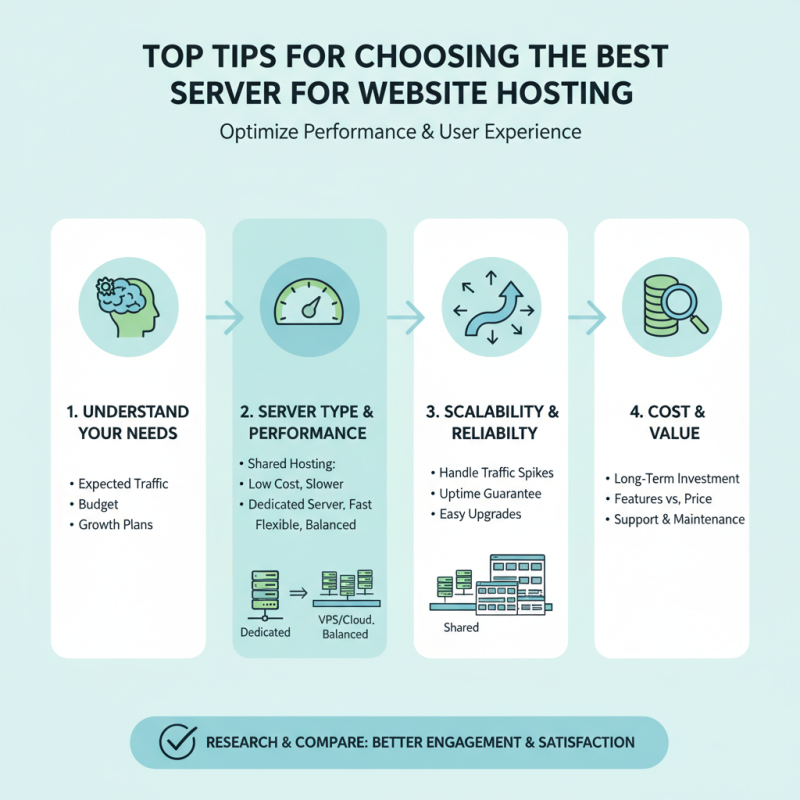
When evaluating options, consider your website's specific needs. Reflect on your expected traffic, budget, and growth plans. Not every server suits every type of website. Taking the time to research and compare your options reveals which server for website hosting is the best fit for you. Investing time in this choice can lead to better engagement and satisfaction from your visitors.
Understanding Different Types of Web Hosting Servers
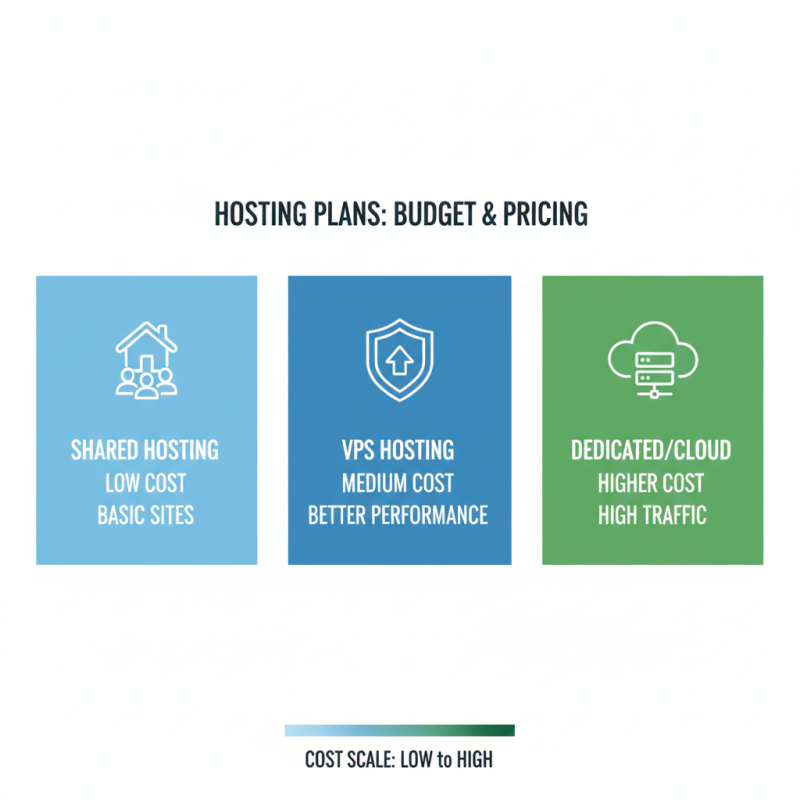
When selecting a web hosting server, it's crucial to understand the various types available. Each hosting option suits different needs. Shared hosting is often a popular choice for small businesses. It allows multiple websites to share a single server. Reports show that about 40% of websites utilize this affordable option. However, performance can suffer if one site experiences a surge in traffic.
VPS hosting offers a middle ground. It provides dedicated resources on a shared server, which can be a significant improvement over shared hosting. Industry data indicates that VPS hosting can handle up to 75% more traffic than shared plans. This is beneficial for growing websites. However, this type may come at a higher price, and users need some technical knowledge.
Dedicated hosting offers even more power. It gives users an entire server for their site. According to studies, dedicated servers can enhance loading times by up to 50%. This makes them ideal for large businesses or high-traffic sites. However, management can be complex. Users must ensure they have the necessary expertise to maintain security and performance. Balancing cost and functionality is key in making the right choice for your website’s needs.
Assessing Scalability Options for Future Growth
When selecting a server for website hosting, scalability is crucial for future growth. A recent industry report highlighted that 70% of online businesses experience traffic spikes that exceed initial capacity. Choosing a server that can scale easily can save time and resources, allowing your business to adapt quickly.
Consider cloud hosting options, as they allow for dynamic scalability. A survey from a leading tech firm indicated that 40% of companies using cloud services reported improved flexibility in managing resource demands. This flexibility can help handle sudden surges in traffic or rapidly changing market conditions. Relying solely on traditional servers may hinder your ability to respond to changes.
Additionally, investing in a server that offers auto-scaling features can provide peace of mind. This technology automatically adjusts resources based on traffic needs, preventing costly downtime. While more affordable solutions may appear tempting, they could result in performance limitations. Therefore, ensuring that your chosen server aligns with long-term business growth is paramount.
Top Tips for Choosing the Best Server for Website Hosting
Reviewing Security Features and Support Services
When selecting a server for website hosting, security features should be a top priority. A secure server protects your data and your users’ information. Look for features like firewall protection and DDoS mitigation. These tools help fend off attacks and ensure uptime. Regular security audits by the hosting provider enhance reliability.
Support services can significantly impact your experience. Choose a provider that offers 24/7 customer support. It’s essential to have accessible help when issues arise. A knowledgeable support team can guide you through technical challenges. Also, inquire about their response times. Fast and effective support can save you from potential losses.
Reflect on the hosting provider's track record. How have they handled past security breaches? Transparency in these situations builds trust. Consider reading customer reviews for real-world experiences. This approach offers insights beyond flashy marketing. Ultimately, a solid server choice balances security and support to create a stable hosting environment.
Top Tips for Choosing the Best Server for Website Hosting
| Dimension |
Description |
| Server Type |
Shared, VPS, Dedicated, or Cloud |
| Uptime Guarantee |
Percentage of time the server is operational (e.g., 99.9%) |
| Security Features |
Firewalls, DDoS protection, SSL certificates |
| Customer Support |
24/7 availability, chat, phone, or email support |
| Backup Options |
Daily, weekly backups, and recovery options |
| Scalability |
Ability to upgrade resources easily as needed |
| Cost |
Monthly fee, setup costs, and renewal pricing |
Considering Budget and Pricing Structures in Hosting Plans
When selecting a web hosting plan, budget is crucial. Different hosting options come with varied pricing structures. Shared hosting tends to be the most affordable. However, it may not offer the performance needed for high-traffic websites. Virtual Private Servers (VPS) are a step up in cost but provide better resources.
Consider long-term expenses. Some hosting providers lure users with low introductory prices. After the first year, costs may surge. It's vital to read the fine print. Evaluate renewal rates carefully. This insight prevents future surprises.
Plan for potential growth. A budget-friendly host might seem ideal initially. But as your website expands, you may need to upgrade to more robust services. This can involve additional costs, which can strain your budget. Reflecting on these factors allows for a more informed decision. Prioritize both your current needs and future goals to find the perfect balance.

 Overwhelmed? We're here to help.